Soil and Your Septic System
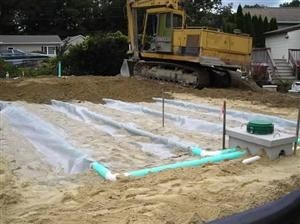 Drainfield Soil
Soil plays a major part in the proper functioning of a septic system. Many people do not realize what an important role the type of soil can make in your drainfield. Soil failure can be a major cause of septic system failure.
Soil works as a fine filter, and is the home to trillions of microscopic organisms that feed on organic matter in the effluent from the drainfield.
Soil Types
The texture of the soil determines how quickly wastewater will be absorbed in the drainfield. Soil percolation is the ability of the soil to absorb water. The best types of soil for drainage or percolation contain a balance of coarse and fine particles.
Gravel, or soil with a coarse texture, or coarse sand may not be adequate. They allow wastewater to pass too quickly to provide adequate treatment. These types of soils work only if they are deep. Soil may be brought in for septic systems and drainfields when the current soil is inadequate.
Clay Soil
Some soil mixtures may contain some particles of clay. Clay soil can be used in drainfields, but water moves through it much slower than in gravel or coarse textured soil. The problem with clay particles is that they can swell and block soil passages. This slows the movement of wastewater even more. If clay particles electronically bond to sodium molecules contained in wastewater, hardpan can occur. The passage of wastewater is totally blocked and this can lead to septic failure. Hardpan conditions in clay soil can be chemically treated. There are some products on the market to treat this condition.
Since soil plays such a critical part in the life of your septic system, it’s best to leave it up to the experts. Call Septic Preservation Services at 877-378-4279 for all your septic needs and questions. Ask them about their septic system maintenance program. Or visit www.septicpreservation.com
 Septic Preservation Services is licensed in Maine if you need Overboard Discharge (OBD) Repairs or Overboard Discharge (OBD) Services .The Maine DEP’s Overboard Discharge (OBD) Program is responsible for regulating discharges of sanitary and household wastewater generated at residential or commercial locations to streams, rivers, bays, and the ocean. All OBDs must be approved by the DEP through a licensing process. Septic Preservation Services is the only Statewide contractor on the OBD Service contractor list provided by the Maine Department of Environmental Protection. For more information see

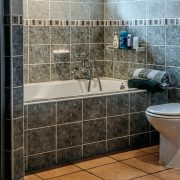
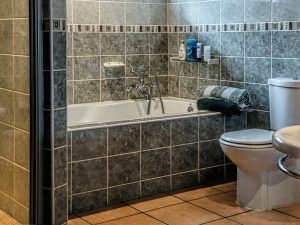 Low-flow toilets are a great way to reduce the amount of wastewater that ends up in a septic system. If you live in an area that relies on private septic systems, as opposed to a municipal sewer system, it is important to do everything you can to reduce water usage to prevent expensive damage to the septic system.
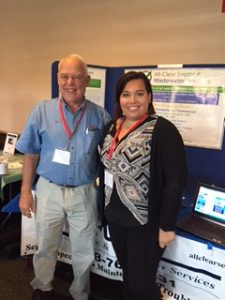 Meet Elizabeth Alves of Septic Preservation Services. Liz started working at Septic Preservation Services in April of 2015. She has been a member of the team for 2 years and is Division Manager of the All Clear Septic and Wastewater Services Division of SPS. She is Title 5 licensed and is certified to perform inspections in Massachusetts and Rhode Island. Her favorite part of her job is working with customers and helping them solve their septic issues. Liz is fluent in Portuguese and this is extremely helpful with Portuguese speaking clients. She is also a notary republic.