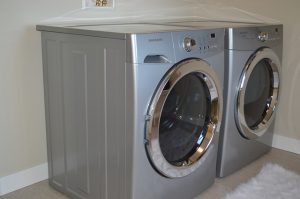
 Most fabric softeners can have a negative effect on a septic system, but there are better alternatives.
Fabric softeners coat our clothes with a subtle layer of slimy chemicals, which is what makes them feel a little softer. Fabric softeners coat the surface of a fabric with chemical compounds that are electrically charged, causing threads to “stand up” from the surface and thereby causing the fabric to feel softer. The electrically conductive fabric softener chemicals may also prevent buildup of static charge that can occur in clothes dryers. The most common softening chemicals are called “quats” (short for quaternary ammonium compounds). Ammonia compounds contain NH4. N is for Nitrogen, which is a fertilizer and is the leading cause of algae blooms in salt water marshes and rivers. Nitrogen is also attributed to many contaminated wells and is a contributing factor in many illnesses.
In addition to fabric softening chemicals, fabric softeners may include acids or bases, petroleum products, silicone-based anti-foaming agents, emulsion stabilizers, fragrances and colors. The fragrances in most fabric softeners are a mixture of hundreds of untested chemicals, including toxic ingredients and fragrances which are among the world’s top five allergens.
Hazards for the septic system
- Most fabric softeners contain quats, which have antibacterial qualities. While it might sound useful to keep clothes germ-free, freshly washed clothes are already clean, and overuse of quats may lead to development of antibiotic-resistant superbugs. Quats, in sufficient levels, can kill off beneficial bacteria in the septic tank, advanced treatment unit and soil dispersal system.
- Emulsion stabilizers can disrupt the natural settling processes in septic systems.
- Petroleum products can potentially be toxic to the positive natural microbes in septic systems.
Recommended alternatives
A safer alternative for softer clothes, is using half a cup of white vinegar (make sure it’s labeled grain versus petroleum-derived) per load during the rinse cycle as a natural fabric softener. It is also a great natural sanitizer. Others recipes include combining vinegar with baking soda and essential oil.
There are all types of dryer balls being sold now. They are a green alternative to commercial dryer sheets or liquid fabric softener. Some are made out of wool or other materials. While in the dryer, they absorb electrical charges so the clothes stay static free. They are also made to reduce drying time. They can be found at most stores or online.
Visit
www.septicpreservation.com or call 877-378-4279 for all your septic questions. They can help you maintain your septic system and keep it functioning properly to extend the life of your system.

Septic Preservation Services Schedule This Week
/in All Clear Septic, All Clear Septic & Wastewater service, Bob Silva, Maine, Massachusetts, Mattapoisett, norton, Raynham, septic inspection, Septic Preservation Services, septic services, title 5, title 5 inspectionsSeptic Preservation Services Weekly Septic Inspections
/in All Clear Septic, All Clear Septic & Wastewater service, Bob Silva, Maine, Massachusetts, Mattapoisett, norton, septic inspection, Septic Preservation Services, septic services, title 5, title 5 inspectionsCall 877-378-4279 or visit www.septicpreservation.com
Septic Preservation Services in New England
/in All Clear Septic, All Clear Septic & Wastewater service, Bob Silva, Maine, marion, Massachusetts, Mattapoisett, norton, septic inspection, Septic Preservation Services, septic services, title 5, title 5 inspectionsSeptic Preservation Services’ Schedule for the Week
/in All Clear Septic, All Clear Septic & Wastewater service, Bob Silva, Massachusetts, Mattapoisett, norton, rochester, septic inspection, Septic Preservation Services, septic services, title 5, title 5 inspectionsCauses of Septic System Failure
/in All Clear Septic, All Clear Septic & Wastewater service, Bob Silva, Massachusetts, Mattapoisett, norton, rochester, septic inspection, Septic Preservation Services, title 5Why do septic systems fail? Failure is when the system is not operating as it’s designed to; sewage is backing up or surfacing, or effluent is going away, but not being treated properly.
There is usually always more than one thing wrong with the system. Here are some reasons.
The homeowner is routinely using more water than the system can handle. Systems are designed to handle a finite amount of water, and it is usually expressed in terms of an average per person or a value based on the number of bedrooms in the house. The overuse may just be that the people living in the house use more water than the average 60-70 gallons per person per day. But overuse can also result from leaky and unmaintained fixtures or from other extraneous water sources such as surface runoff or clean water drainlines around foundations that are being routed through the system. The homeowner, after the fact, may increase the load by enlarging the house to accommodate more people or add water-using devices the system was not designed to handle, such as garbage disposals and large showers or tubs.
The system has not been properly maintained. The septic tank should be regularly checked and the solids and scum removed before they accumulate to levels that can be detrimental to the soil treatment part of the system. Advanced technologies, such as ATUs and media filters, require increased levels of care. These are often covered in maintenance contracts written upon completion of the system, but not renewed because there have not been problems or when new owners move in. Systems with advanced technologies that are not cared for can represent more of a health and environmental risk than a failed conventional septic drainfield system.
All Clear Septic and Wastewater Services has trained personnel in every aspect of the Septic process. We have a maintenance program to keep your septic system operating smoothly to help avoid costly repairs or septic failure. Call 877-378-4279 for all your questions or visit www.septicpreservation.com
Septic Preservation Sevices Looking for a New Team Member
/in All Clear Septic, All Clear Septic & Wastewater service, Bob Silva, Dartmouth, lakeville, Maine, marion, Massachusetts, Mattapoisett, norton, Raynham, rhode island, septic inspection, Septic Preservation Services, title 5Call 877-378-4279 or visit www.septicpreservation.com
eke
Septic Preservation Services in Maine
/in All Clear Septic, All Clear Septic & Wastewater service, Bob Silva, Maine, Massachusetts, Mattapoisett, norton, septic inspection, Septic Preservation Services, title 55/3/16 Septic Preservation Services is performing routine services and septic inspections in Farmington, ME. Freeport, ME. Topsham, ME. Wales, ME. Wells, ME and West Paris, ME. If you see our septic inspectors or service technicians please feel free to ask them any questions you may have concerning your septic system, leachfield, or septic inspection. Call 877-378-4279 or visit www.septicpreservation.com
Septic Preservation is Here to Answer Questions
/in Septic Preservation Services5/2/16 Septic Preservation Services is here to assist anyone with questions concerning septic systems, aerobic treatment systems, ATUs, septic repairs, and title 5 septic inspections. During the spring a combination of snowmelt and spring rains contribute to saturating the ground and making septic system issues more obvious. If you have a septic system, this is a good time to check the area around your leach field for wet or soft areas. If you have any questions please call us at 877-378-4279 or visit www.septicpreservation.com
Septic Preservation Services offers Biological Remediation
/in All Clear Septic, All Clear Septic & Wastewater service, Bob Silva, Massachusetts, Mattapoisett, norton, rochester, septic inspection, Septic Preservation Services, title 5Septic Preservation Services is working with several condominium complexes and homeowner associations to repair large septic systems. In most cases large shared septic systems can be saved with a process called biological remediation. The process is fully approved and title 5 compliant. Visit our website or call our office for a free site evaluation and details at 877-378-4279 or visit www.septicpreservation.com
Fabric Softeners Can Have a Negative Effect on Your Septic System
/in All Clear Septic, All Clear Septic & Wastewater service, Bob Silva, Massachusetts, Mattapoisett, norton, rochester, septic inspection, Septic Preservation Services, title 5Fabric softeners coat our clothes with a subtle layer of slimy chemicals, which is what makes them feel a little softer. Fabric softeners coat the surface of a fabric with chemical compounds that are electrically charged, causing threads to “stand up” from the surface and thereby causing the fabric to feel softer. The electrically conductive fabric softener chemicals may also prevent buildup of static charge that can occur in clothes dryers. The most common softening chemicals are called “quats” (short for quaternary ammonium compounds). Ammonia compounds contain NH4. N is for Nitrogen, which is a fertilizer and is the leading cause of algae blooms in salt water marshes and rivers. Nitrogen is also attributed to many contaminated wells and is a contributing factor in many illnesses.
In addition to fabric softening chemicals, fabric softeners may include acids or bases, petroleum products, silicone-based anti-foaming agents, emulsion stabilizers, fragrances and colors. The fragrances in most fabric softeners are a mixture of hundreds of untested chemicals, including toxic ingredients and fragrances which are among the world’s top five allergens.
Hazards for the septic system
Recommended alternatives
A safer alternative for softer clothes, is using half a cup of white vinegar (make sure it’s labeled grain versus petroleum-derived) per load during the rinse cycle as a natural fabric softener. It is also a great natural sanitizer. Others recipes include combining vinegar with baking soda and essential oil.