How Often to Pump Out Your Septic System in Southcoast MA
 Most homeowners don’t think about their septic systems each and every day. Plumbing and sewage are those types of things that tend to be out of sight and out of mind for most people. The only time we really think about them is when there’s a problem: a drain that won’t go down, a toilet that won’t flush, a septic system that suddenly smells.
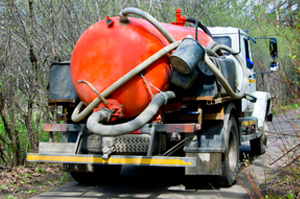
When a septic system emergency occurs, most homeowners think that they need to simply get the tank pumped so they call out the local septic system pumping company. In reality, septic system maintenance should be something that happens on a regular basis, not just as a band-aid or a quick fix when something goes wrong. Another thing that many homeowners don’t realize is that there are some services that will be more than happy to charge a couple hundred dollars or so to pump your system – even if you don’t need it.
How Often Should Your Septic System Get Pumped?
Your system should be checked by a licensed septic and wastewater technician who can help you to overcome any small issues and concerns before they become big, costly problems. Local services, such as Septic Preservation Services in the Southcoast Massachusetts area, offer year-round maintenance programs designed to save you money and help you protect your investment.
Depending on the size of your tank, the “health” of your system and the number of people living in your home, required septic tank pumping should be approximately every two to three years. This may surprise homeowners who are paying for pumping services on a more frequent basis or, for that matter, for homeowners who just ignore their system completely until they have a septic system emergency on their hands.
According to data from the EPA, your tank should be pumped when the bottom of the floating layer of scum gets to within six inches of the outlet or if the sunken sludge layer is within twelve inches of the outlet. Getting regular check-ups by an experienced, professional septic system repair company – not just a pumping service – can help you know when you need to get your tank pumped or if your system needs a different type of service. At bare minimum, annual inspections by a qualified septic system service provider will help you keep tabs on your system.
Making a Small Problem Worse
Some homeowners may tell you that you can use commercial products to increase the amount of time between required septic tank pumping. The products they are talking about contain chemicals that are designed to aid in the break down of the sludge within the tank. Your septic system already has tons of naturally-occurring microbes working within your drain field and in your tank to help break down solid wastes and purify wastewater.
Unfortunately, some of these products can throw off the delicate ecosystem that has developed within your tank and disrupt the ability of the enzymes to break waste down. The EPA even strongly recommends that homeowners do not substitute these chemical products for regular maintenance through a preventative maintenance program, inspections and pumping, when required.
Why is Pumping Necessary?
You might be thinking that if all those enzymes are doing such a great job, why should an efficiently-running septic system ever need to be pumped in the first place? While the natural process of the system is the best way to break down sewage waste from your home, eventually the tank will need to be pumped to remove excess solids. Again, depending on your usage and size of the system itself, this needs to happen approximately once every two to three years, as needed.
If your tank needs to be pumped and isn’t, the entire septic system can overflow. Septic overflow of wastewater can often lead back to the source, pumping sewage back up through toilets and drains throughout the home. A failed septic system can also lead to a flooding of your drain field, which doesn’t just mean a stinky. flooded yard, but could also mean wastewater seeping into nearby creeks and rivers, tainting the local groundwater.
Once this happens, the waste from your failed septic system can contaminate the local drinking water that is used by your family and your neighbors. Once this waste enters the local water supply, harmful bacteria and other diseases are likely to spread, such as E.Coli or even hepatitis. This is why it is so important to contract a professional service company for a preventative maintenance program and inspections, and why you will ultimately need to plan on having your septic system pumped every two to three years.
Sign Up for Septic System Preventative Maintenance Program Today
For homeowners living in the Southcoast region such as Barnstable, Brockton, Monponsett, Attleboro, Nonquitt, Rochester and even customers located in Rhode Island, Septic Preservation Services is your best bet for professional septic system maintenance services and inspections. Certified to conduct Title V Inspections in Massachusetts and Rhode Island Town Inspections in the State of Rhode Island, SPS can help you stay on top of your septic system and ensure that it continues to work effectively and efficiently for years to come. Call Septic Preservation Services at 877-378-4279 or visit www.septicpreservation.com for more information about our Preventative Maintenance Program, septic repair, rejuvenation, inspections, assessments and other available services.

 While most people who live in an area where septic systems are used are familiar with how they work and the type of care and maintenance required, those who are new to this type of on-site sewage processing have a lot to learn. This article features the top ten things that you need to know about septic systems in Rhode Island or anywhere in New England in order to keep your system running properly.
 Massachusetts is known for its wide range of seasonal weather and as far as this year is concerned, we’ve already gotten our share of spring storms. There are a lot of things that homeowners need to be aware of during wet weather to protect their homes from damage. One of those things is the septic system, which can easily be overrun with the increased water flow, leading to a failed septic system.
 5/27/16 Septic Preservation Services is getting ready for our summer team outing. We are looking for a location west of Boston in the Acton, Stow, Southboro, Marlboro, or Belin area. We would prefer someplace easily accessible to a main highway and whether you are a routine septic customer, title 5 septic inspection customer or a customer that we installed a new septic system for we would like your input for a good location. We also encourage our customers to spend time with us during our outing. Please contact our office if you can suggest a location or would like to join us. Call us at 877-378-4279 or visit
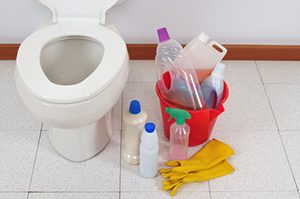 Low-flow toilets are a great way to reduce the amount of wastewater that ends up in a residential sewage system. If you live in an area that relies on private septic systems, as opposed to a municipal sewer system, it is important to do everything you can to reduce water usage to prevent an overflow of wastewater.
 We could all use a little change. Sometimes just a little change can make a big difference. Your septic system is the same way. New technology makes it possible to provide biological remediation to your septic system and improve its effectiveness, by increasing its hydraulic capacity, and adding years of additional life.