
Septic Tips for Proper Usage!
Do you have a new septic system, or are you moving to a house and have never had a septic system before? Here are some tips you can follow to help keep your system working properly, provided by All-Clear Septic & Wastewater Services.
- The fi
 rst and easiest thing you can do is schedule regular checks on your system with a licensed septic system specialist. Depending on the type and flow rate of the system, checkups can be scheduled anywhere from once every three months to three years.
- Pumping your system on a regular schedule is highly recommended. The amount of use and size of the system will dictate the pumping schedule, but it is safe to say the more people using the system, the more often you will need to have it serviced.
Watching your water use carefully will be a major factor in how well your septic system functions. If you are able, use low-flow fixtures in your kitchen and bathroom. It will considerably reduce overall usage and wear and tear on the system.
Try not to wash all your laundry on the same day. Spread washes throughout the week.
Do not run your dishwasher and washing machine at the same time.
Do not put anything but toilet tissue down the toilet. A product labelled “flushable” may be ok for a sewer-tied system, but may not be ok for a septic system.
Do not drain hot tubs, pools, spas or other large-capacity water tank into the septic system. Pool chemicals can kill off beneficial bacteria in the system, and the massive rush of water can “flood” your leach field, rendering the system ineffective until it has properly drained.
Ensure risers are installed and easily accessible to septic system maintenance professionals.
Ensure all rainwater and drainage is directed away from the leach field to prevent flooding the system.
Use shallow-rooted grass, flowers and shrubs when landscaping on or around your system. This will help prevent damage from deep-growing root systems.
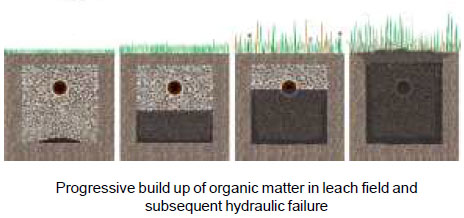
Stop or reduce use of garbage disposal. These can quickly create a blockage in your septic system and leach field, as well as introduce large quantities of grease and other solids which will require more frequent pumping and system maintenance.
Do not flush household cleaning chemicals or put them down the drain. These can potentially kill the beneficial bacteria or cause significant damage to the system itself. These can also pollute the groundwater if done in sufficient quantity or concentration.
Do not build structures or park vehicles on the tank or leach field. This could cause damage to the system and compact the soil which prevents liquids from leaching into the earth freely.
Do not use septic system additives unless directed by your septic system maintenance professional. These may cause issues with the system or eliminate the healthy bacteria within the tank. Only use additives if they are approved by your septic system maintenance professional for your specific septic system.
If you still have questions or need service, call All-Clear TODAY at (508) 763-4431!
This blog was posted on October 29, 2015 on www.allclearseptic.com
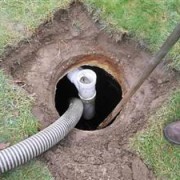
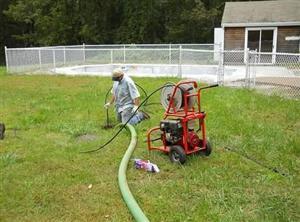 Part of any good Preventative Maintenance Program is to ensure that your septic system is properly cleaned and is pumped on a regular basis. It is important to know the facts about septic cleaning and pumping to avoid making costly mistakes.
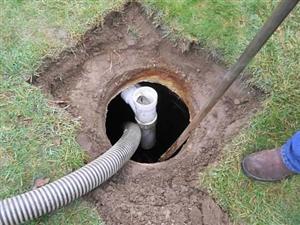 Some pumping services will tell you that you need to get your septic system pumped every 6 months or on an annual basis. The truth is that a properly maintained septic system should only be pumped based on the accumulation of sludge and scum, which is typically every 2-5 years. Pumping too frequently is costly and removes the “good” bacteria that keep the system running smoothly.

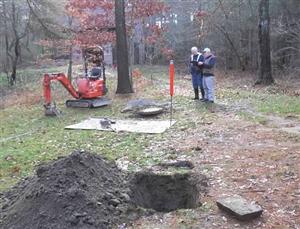 In addition to Title 5 Inspections, septic repairs and cleaning services, All-Clear also provides professional consultations to property owners, both residential and commercial.

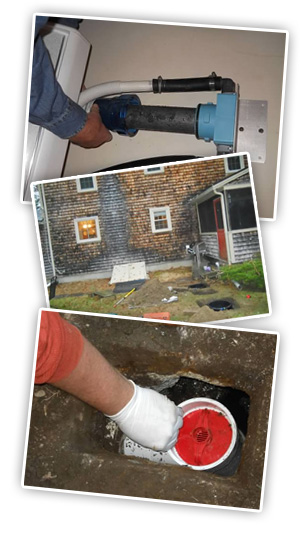
 Proper septic system inspection is the best way to prevent property owners from having to face unexpected and costly repairs. An inspector can determine whether you are disposing of sewage and gray wastewater in a safe and legal manner.
 Proper preventative maintenance can extend the life of your septic system. Systems that are not regularly maintained will average less than 20 years, however studies conducted by field professors, scientists and engineers reveal that proper maintenance can help a septic system to last indefinitely. This can save the homeowner thousands of dollars over a lifetime.