Septic System 101
 How does your septic system actually work? If you live in a rural area which does not have a centralized sewer system, you most likely have a private septic system. Basically nature and technology combines to treat the wastewater from your household plumbing system including bathroom, kitchen, laundry and any other drains your home possesses.
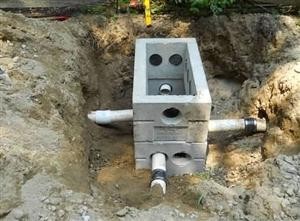
A typical septic system includes a septic tank and a drainfield which can also be referred to as a leach field or soil absorption field.
The wastewater from your home is sent to the septic tank through one main drainage pipe. The septic tank is a buried water-tight container usually made of concrete, fiberglass or polyethylene. It holds the wastewater and allows the solids to settle to the bottom, forming sludge, and the oils and grease float to the top and form scum. Natural organisms in the septic tank will digest the organic matter. The idea is not to let the sludge and scum leave the tank and enter the leachfield. Compartments and a t-shaped outlet help make that happen.
The liquid wastewater, called effluent, leaves the septic tank and enters the leachfield. The leachfield is a shallow, covered excavation created in unsaturated soil. Engineering plans are required for the best placement of the septic tank and leachfield on the property. The pretreated effluent is discharged through piping onto the porous surface of the leachfield and filtered through the soil. The soil treats the wastewater as it percolates through the soil and eventually joins the groundwater. If the drainfield is overloaded with too much wastewater, it could flood, causing the sewage to flow to the surface or backup into the house. The wastewater percolates into the soil, naturally removing coliform bacteria, viruses and nutrients.
Maintenance is a key component to keeping your septic system functioning properly. Pumping your septic tank, generally every 3 years, depending on your household size and habits, is essential.
Call Septic Preservation Services to schedule a pumping or join their septic maintenance program. They can answer all your questions. You can reach them at 877-378-4279 or visit www.septicpreservation.com
 Septic Preservation Services has septic repairs scheduled in Bridgton, Lewiston, Gray, Freeport, North Yarmouth, North Bridgton, Harrison, and Hebron, ME. If you have concerns that your septic system may not be working correctly, it is inadvisable to wait to have the problem looked at. Signs that you may have a septic system problem are, muddy soil or pools of wastewater around your septic tank or soil absorption system, sewage smells around your system or inside your house, and backups when you do laundry, take showers, or flush the toilet. Septic Preservation Services are experienced in diagnosing septic system problems and then fixing them. If you need a septic system repair or if you have any questions please do contact our office at 877-378-4279 or visit
 Septic Preservation Services has septic inspections scheduled in Bar Mills, Buxton, Biddeford, Old Orchard Beach, Gorham, Poland, Parsons Field, and Alfred, ME today. If you need a septic inspection in Maine, please do contact our office so we can answer any questions you may have or schedule an appointment. You can reach them at 877-378-4279 or visit
 How can you protect your septic system during the winter months? Freezing can become an issue when the temperatures start to drop. The most vulnerable components are the pipes leading from the house into the septic tank. Leaky fixtures such as faucets and toilets can keep a steady drip through the pipes which could freeze, blocking the pipes. Other components which can potentially freeze are the tank, pipes leading to the drainfield and the drainfield itself.