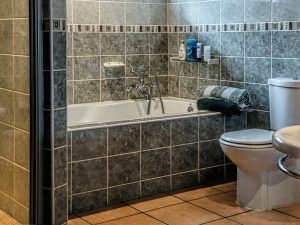
 Low-flow toilets are a great way to reduce the amount of wastewater that ends up in a septic system. If you live in an area that relies on private septic systems, as opposed to a municipal sewer system, it is important to do everything you can to reduce water usage to prevent expensive damage to the septic system.
Septic systems are typically used in locations that aren’t connected to the city sewage system. A septic tank is a large tank, usually made out of concrete, that holds waste materials that are flushed through the residential sewage system. Inside the tank, bacteria works to break down the solid wastes, which are then released via wastewater into a drainage system.
Because low-flow toilets reduce water usage, they are ideal for cutting down on the amount of water that enters septic systems. Low-flow toilets are also used by homeowners that do not have a residential sewage system, as a means of reducing overall water consumption.
How Low-Flow Toilets Work
Low-flow toilets are designed to use less water than a standard toilet. The average residential toilet uses three to four gallons per flush, while low-flow toilets use around one-and-a-half gallons per flush. Recently, newer low-flow toilets have been produced that use even less water per flush by using a dual-flush system.
Much like septic tank systems, homeowners need to be aware of what gets flushed down low-flow toilets. The only thing that should ever be flushed down low-flow toilets that are connected to a septic tank system is toilet paper and organic waste. That means absolutely no paper towels, feminine products, diapers, newspapers or other paper materials.
The chemicals used to clean low-flow toilets that are hooked up to a residential septic system must also be chosen carefully. Bleach, abrasives, anti-bacterial cleansers and other bathroom cleaners should never be flushed into septic tank systems or washed down the drain. Use natural cleaners, such as baking soda or vinegar, to protect the good bacteria inside the septic tank that works to breakdown solid waste.
Part of a Healthy Septic Tank System
All of the parts of your residential septic system work together to effectively and efficiently process all the waste from your home. Low-flow toilets can be an important part of a well-run septic system. The best way to care for your system is to hire a professional septic system maintenance and inspection service.
A low-flow toilet is very easy to maintain and helps to reduce water usage in the bathroom. The fixture that helps to reduce water usage inside low-flow toilets may need to be adjusted every now and again. This fixture is the fill valve. It is used to maintain a proper level of water inside the toilet tank.
Septic Preservation Services offers a preventative maintenance program, which can be used to keep tabs on the effectiveness of your system, catch potential problems before they get out of control and keep your residential sewage system running properly. Learning about your system and how it should be used and cared for, is another important part of good home ownership. Proper care and preventative maintenance, when used together, can prevent costly repairs and replacements. Call Septic Preservation Services at 877-378-4279 or visit www.septicpreservation.com

Septic Services and Septic Cleaning
/in Bob Silva, Maine, Mattapoisett, norton, septic cleaning, Septic Preservation Services, septic servicesSummer Gatherings and Your Septic System
/in Bob Silva, Maine, Massachusetts, Mattapoisett, norton, rhode island, Septic Preservation Services, septic pumping, septic services, septic system pumpingSummer is a great time of year for family gatherings, including cookouts, weddings, bbq’s, pool parties and even summer overnight guests.
When planning for summer gatherings this summer, prevention can go a long way toward averting disasters with your septic system. Parties, weddings, and any summer gathering can exert heavy use on your septic system. Careful planning can help you prepare your septic system for the extra guests and extra load.
Here are some tips:
Arrange for a septic tank pumping prior to the event. Heavy volume of wastewater over a short period of time can over saturate the drain field and cause a mess in your yard or backup in to your home. Performing septic tank maintenance right before the event will create added capacity which will be able to handle more volume.
Check your septic system and make sure it is functioning properly before the event. Septic Preservation Services have technicians available for a maintenance check. A problem may not be obvious during regular or modest use, but when you add an additional volume of wastewater over a short period of time, this can cause an already impaired system to fail.
The technician can also check your drain lines and make sure they are clear as well as the flow of water from your home to the tank. Partially clogged drain lines can fail with excessive effluent running through them in a short amount of time.
School your guests on what not to flush down the toilet. A nearby garbage can and properly placed signs on dos and don’ts may be all you need.
Better yet, for large gatherings with many guests, such as weddings, graduation parties or family reunions, consider renting portable toilets and sinks. This will take the load off your septic system and avoid costly and odorous disasters. Units today are more attractive and reasonable and can take the worry out of your day.
Proper preventative maintenance is all that is needed to keep a septic system functioning properly for many years to come. When the day is done, the cost of a little preventive maintenance is well worth the investment to avoid the potential for backups and septic system repairs or replacement.
Call Septic Preservation Services before your summer gathering. They have all the equipment and professionals available to maintain and check your septic system and get it ready for your big day. You can reach them at 877-378-4279 or visit www.septicpreservation.com for more information.
Pros and Cons of Cesspools
/in Bob Silva, cesspool, cesspool replacement, cesspool service, cesspool upgrades, Massachusetts, Mattapoisett, norton, septic design and installation, Septic Preservation ServicesSeptic Problem Troubleshooting by Septic Preservation
/in Bob Silva, Massachusetts, Mattapoisett, norton, Septic Preservation Services, septic repairs, septic repairs and adjustments, septic services, septic system repairsSeptic Preservation Services Recommended by Realtors
/in Bob Silva, Massachusetts, Mattapoisett, norton, rochester, septic inspection, septic inspections, Septic Preservation Services, title 5, title 5 inspectionsSeptic Preservation Can Design Septic System to Meet Your Needs
/in Bob Silva, Massachusetts, Mattapoisett, norton, septic design and installation, Septic Preservation Services, septic system installationCesspool Replacement and Cesspool Upgrades
/in Bob Silva, cesspool, cesspool replacement, cesspool service, cesspool upgrades, Massachusetts, Mattapoisett, norton, Septic Preservation ServicesSeptic First Maintenance Inspections in Rhode Island
/in Bob Silva, Massachusetts, Mattapoisett, norton, rhode island, septic first maintenance inspections, septic inspection, septic inspections, Septic Preservation ServicesBenefits of Low-Flow Toilets
/in Bob Silva, Low-Flow Toilets, Maine, Mattapoisett, New Hampshire, norton, rhode island, Septic Preservation ServicesSeptic systems are typically used in locations that aren’t connected to the city sewage system. A septic tank is a large tank, usually made out of concrete, that holds waste materials that are flushed through the residential sewage system. Inside the tank, bacteria works to break down the solid wastes, which are then released via wastewater into a drainage system.
Because low-flow toilets reduce water usage, they are ideal for cutting down on the amount of water that enters septic systems. Low-flow toilets are also used by homeowners that do not have a residential sewage system, as a means of reducing overall water consumption.
How Low-Flow Toilets Work
Low-flow toilets are designed to use less water than a standard toilet. The average residential toilet uses three to four gallons per flush, while low-flow toilets use around one-and-a-half gallons per flush. Recently, newer low-flow toilets have been produced that use even less water per flush by using a dual-flush system.
Much like septic tank systems, homeowners need to be aware of what gets flushed down low-flow toilets. The only thing that should ever be flushed down low-flow toilets that are connected to a septic tank system is toilet paper and organic waste. That means absolutely no paper towels, feminine products, diapers, newspapers or other paper materials.
The chemicals used to clean low-flow toilets that are hooked up to a residential septic system must also be chosen carefully. Bleach, abrasives, anti-bacterial cleansers and other bathroom cleaners should never be flushed into septic tank systems or washed down the drain. Use natural cleaners, such as baking soda or vinegar, to protect the good bacteria inside the septic tank that works to breakdown solid waste.
Part of a Healthy Septic Tank System
All of the parts of your residential septic system work together to effectively and efficiently process all the waste from your home. Low-flow toilets can be an important part of a well-run septic system. The best way to care for your system is to hire a professional septic system maintenance and inspection service.
A low-flow toilet is very easy to maintain and helps to reduce water usage in the bathroom. The fixture that helps to reduce water usage inside low-flow toilets may need to be adjusted every now and again. This fixture is the fill valve. It is used to maintain a proper level of water inside the toilet tank.
Septic Preservation Services offers a preventative maintenance program, which can be used to keep tabs on the effectiveness of your system, catch potential problems before they get out of control and keep your residential sewage system running properly. Learning about your system and how it should be used and cared for, is another important part of good home ownership. Proper care and preventative maintenance, when used together, can prevent costly repairs and replacements. Call Septic Preservation Services at 877-378-4279 or visit www.septicpreservation.com
State of the Art Equipment Used for Septic Inspections
/in Maine, Massachusetts, Mattapoisett, New Hampshire, norton, septic inspection, septic inspections, Septic Preservation ServicesIf you require a septic inspection or if you have any questions about septic inspections please do contact our office at 877-378-4279 or visit www.septicpreservation.com