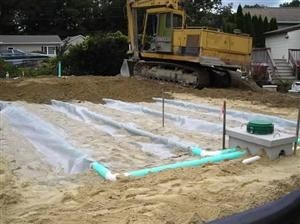
 One of the most important components of a septic system is the drain field. Also known as a “leach” field, sometimes just looking at the drain field can help you to determine the health of the septic system as a whole. It is important to take care of your drain field and ensure that it is properly protected from things that can hinder its effectiveness, as it is a vital part of the septic process.
What a Drain Field is and How It Works
The drain field is the part of your septic system where the waste water emerges after passing through your septic tank for the final phase in the cleansing and filtration process. Contaminants and other impurities are removed from the waste water by the drain field, making it safe to enter the local ground water.
The septic drain field removes any organic materials that might yet remain after the waste water has made its way through the septic tank. It utilizes a very basic, yet highly efficient, microbial ecosystem for this part of the process. A drain field consists of a specific layout of trenches that contain a series of perforated pipes that come from the septic tank. The waste water flows over gravel or other porous material, which is covered by a layer of soil to protect it from animals and surface runoff water.
Signs That Your Septic System Needs Help
While there are some fairly obvious signs that a septic system is in need of repair or has failed, such as sewage coming up inside the house through all the drains, showers and toilets, your drain field is also a sort of thermostat that lets you know how effective your septic system is functioning.
Take a look at your septic drain field:
- If there are boggy or wet areas that just don’t seem to dry up and go away after runoff water from seasonal rain storms is gone, you might have a failed septic system.
- If there are areas of the grass that is planted on top of your drain field that are particularly green or lush compared to the rest of the surrounding property, you might have a leak or back-up occurring in your drain field.
- If you notice an unusual smell coming from your drain field, it’s time to call a septic system specialist.
- If you see bits of organic material or other waste that would typically go down your home’s drains coming up through the drain field, chances are you are experiencing a clog or even a failed septic system.
These are just some of the signs and symptoms that you can look for when checking out your drain field. While some issues might just be indicative that you need to stay on top of drain field maintenance, most will have something directly to do with the health and effectiveness of your overall septic system. It pays to check out your drain field on a regular basis.
Drain Field Maintenance
There are a lot of things that can cause a septic system to malfunction or fail. Most septic system experts and service technicians will tell you that even if your home has been designed for use with a garbage disposal, that you should refrain from using one with a septic system. The reason is simple: just by using a garbage disposal, as opposed to composting organic waste from the kitchen or disposing of it in a trash can, a typical household will increase the amount of sludge and solids in their septic tank by over 50 percent.
Because seemingly small changes in use and habit can have such an impact on the overall health of your septic system, it is important to hire a professional septic service to provide regular check-ups and drain field maintenance. If maintained correctly, the average drain field should last somewhere between 25-30 years and still be functioning efficiently.
In addition to taking care of the landscape that is above your drain field, keeping trees and bushes away from the area to prevent the spreading of roots, there are things you can do inside your home that contribute to your septic drain field’s overall health. Some of these things are simple and even common sense for the most part; while others might be “news” to homeowners who are dealing with a septic system for the first time.
Most of the behaviors and habits that homeowners need to remember with regard to taking care of their septic system and drain field maintenance have more to do with water use and disposal habits than anything else. Be aware of the amount of water that you are using in your home. Avoid doing activities that use a lot of water all at the same time, such as washing dishes and doing several loads of laundry. In fact, it is better to do a load of laundry a day than it is to save it all up for the weekend.
Get Professional Drain Field Maintenance Service
For homeowners living in the Southeastern Massachusetts, Cape Cod or Rhode Island areas, as well as Maine and New Hampshire, contact Septic Preservation Services. With over 15 years of direct experience working with commercial and residential customers in the Southcoast region, SPS is the clear choice for preventative maintenance, septic system service, drain field maintenance and septic repairs.
Septic Preservation Services is licensed and certified to provide Title 5 Inspections in Massachusetts and required Rhode Island Town Inspections. In addition, SPS can do a private assessment of your septic system to help you know the age, effectiveness and efficiency of your current equipment to help determine whether its time to upgrade or set up a new septic drain field. Call Septic Preservation today at 877-378-4279 or visit www.septicpreservation.com to get started!


How to Extend the Life of Your Septic Drain Field
/in All Clear Septic, All Clear Septic & Wastewater service, Bob Silva, Maine, Massachusetts, Mattapoisett, New Hampshire, norton, preventative maintenance, rhode island, Septic Preservation ServicesWhat a Drain Field is and How It Works
The drain field is the part of your septic system where the waste water emerges after passing through your septic tank for the final phase in the cleansing and filtration process. Contaminants and other impurities are removed from the waste water by the drain field, making it safe to enter the local ground water.
The septic drain field removes any organic materials that might yet remain after the waste water has made its way through the septic tank. It utilizes a very basic, yet highly efficient, microbial ecosystem for this part of the process. A drain field consists of a specific layout of trenches that contain a series of perforated pipes that come from the septic tank. The waste water flows over gravel or other porous material, which is covered by a layer of soil to protect it from animals and surface runoff water.
Signs That Your Septic System Needs Help
While there are some fairly obvious signs that a septic system is in need of repair or has failed, such as sewage coming up inside the house through all the drains, showers and toilets, your drain field is also a sort of thermostat that lets you know how effective your septic system is functioning.
Take a look at your septic drain field:
These are just some of the signs and symptoms that you can look for when checking out your drain field. While some issues might just be indicative that you need to stay on top of drain field maintenance, most will have something directly to do with the health and effectiveness of your overall septic system. It pays to check out your drain field on a regular basis.
Drain Field Maintenance
There are a lot of things that can cause a septic system to malfunction or fail. Most septic system experts and service technicians will tell you that even if your home has been designed for use with a garbage disposal, that you should refrain from using one with a septic system. The reason is simple: just by using a garbage disposal, as opposed to composting organic waste from the kitchen or disposing of it in a trash can, a typical household will increase the amount of sludge and solids in their septic tank by over 50 percent.
Because seemingly small changes in use and habit can have such an impact on the overall health of your septic system, it is important to hire a professional septic service to provide regular check-ups and drain field maintenance. If maintained correctly, the average drain field should last somewhere between 25-30 years and still be functioning efficiently.
In addition to taking care of the landscape that is above your drain field, keeping trees and bushes away from the area to prevent the spreading of roots, there are things you can do inside your home that contribute to your septic drain field’s overall health. Some of these things are simple and even common sense for the most part; while others might be “news” to homeowners who are dealing with a septic system for the first time.
Most of the behaviors and habits that homeowners need to remember with regard to taking care of their septic system and drain field maintenance have more to do with water use and disposal habits than anything else. Be aware of the amount of water that you are using in your home. Avoid doing activities that use a lot of water all at the same time, such as washing dishes and doing several loads of laundry. In fact, it is better to do a load of laundry a day than it is to save it all up for the weekend.
Get Professional Drain Field Maintenance Service
For homeowners living in the Southeastern Massachusetts, Cape Cod or Rhode Island areas, as well as Maine and New Hampshire, contact Septic Preservation Services. With over 15 years of direct experience working with commercial and residential customers in the Southcoast region, SPS is the clear choice for preventative maintenance, septic system service, drain field maintenance and septic repairs.
Septic Preservation Services is licensed and certified to provide Title 5 Inspections in Massachusetts and required Rhode Island Town Inspections. In addition, SPS can do a private assessment of your septic system to help you know the age, effectiveness and efficiency of your current equipment to help determine whether its time to upgrade or set up a new septic drain field. Call Septic Preservation today at 877-378-4279 or visit www.septicpreservation.com to get started!
Septic Preservation Holds Safety Meeting in Norton Today
/in Bob Silva, Maine, Massachusetts, Mattapoisett, norton, safety, safety meetingSand Filter Services by Septic Preservation
/in Bob Silva, Maine, Massachusetts, Mattapoisett, New Hampshire, norton, rhode island, sand filter services, Septic Preservation ServicesTitle 5 Inspections by Septic Preservation Services
/in Bob Silva, Maine, marion, Massachusetts, Mattapoisett, New Hampshire, norton, rhode island, septic inspection, septic inspections, Septic Preservation Services, title 5, title 5 inspections“The location and condition of cesspools, septic tanks and distribution boxes must be determined. Often, this will not require extensive excavation. Generally, leaching areas are not required to be dug up.”
With the use of plans and reading the landscape, our technicians are usually able to locate septic tanks and the distribution box with minimal digging, and once they have taken the required information they can leave the area as they found it.
If you need to schedule a Title 5 Septic Inspection or if you have any questions about the process please do contact our office at 877-378-4279 or visit www.septicpreservation.com
Overboard Discharge Repairs or Services
/in Bob Silva, Lewiston, Maine, Massachusetts, Mattapoisett, New Hampshire, norton, overboard discharge, overboard discharge repairs, overboard discharge servicesSeptic System Services by Septic Preservation
/in Bob Silva, Maine, Massachusetts, Mattapoisett, New Hampshire, norton, rhode island, rochester, sand filter services, septic cleaning, Septic Preservation Services, septic servicesSEPTIC SYSTEMS INSPECTIONS & ASSESSMENTS
/in Bob Silva, Massachusetts, Mattapoisett, norton, septic first maintenance inspections, septic functional inspections, septic inspection, septic inspections, Septic Preservation Services, title 5, title 5 inspectionsSEPTIC SYSTEMS INSPECTIONS & ASSESSMENTS
MASSACHUSETTS TITLE 5 INSPECTION
Since 1995, the State of Massachusetts has required residential and commercial property owners to pass a Title 5 Inspection of their on-site sewage treatment systems before they can sell the property. Specific guidelines were set to prevent the contamination of local drinking water supplies and groundwater as a result of outdated or ineffective septic systems or cesspools. Septic Preservation offers Massachusetts Title 5 Inspections, using state-of-the-art equipment and techniques, giving you a thorough inspection at a price you can afford.
RHODE ISLAND TOWN INSPECTIONS
In addition to the Massachusetts Title 5 Inspection, Septic Preservation is also licensed to perform Rhode Island Town Inspections. These inspections are required by many towns throughout Rhode Island, including Charlestown, Jamestown, North Kingstown and South Kingstown. Because it is a part of the local town ordinance, residential and commercial property owners living in these areas are required to submit to these regular inspections of their septic systems. SPS uses state-of-the-art tools to provide these services to our customers at an affordable rate.
CONFIDENTIAL VOLUNTARY ASSESSMENTS
Many property owners are unaware that they have the ability to hire a licensed inspector, such as SPS, to perform Confidential Voluntary Assessments of their septic systems. These inspections are completed just as they would be according to the Title 5 Inspections required by the State of Massachusetts, but the findings are NOT reported to any other person, municipality or office outside of the homeowner.
Once the inspection is complete, the homeowner will receive a thorough report from Septic Preservation along with an assessment of the findings and some recommendations on how to properly maintain or repair their septic system. The recommendations provided by SPS are designed to increase longevity and prevent future issues, such as property damage, high cost repairs or system replacement.
Our licensed and certified inspectors and technicians at Septic Preservation Services can help you with all of your Title 5 Inspection and Rhode Island Town Inspections needs. Give us a call at 877-378-4279 for pricing, information or to set up an appointment for an inspection of your residential or commercial property.
Visit www.septicpreservation.
Commercial and Private Septic Installations
/in Bob Silva, Maine, Massachusetts, Mattapoisett, New Hampshire, norton, rhode island, Septic Preservation ServicesSeptic Pumping is Essential
/in Bob Silva, lakeville, Maine, marion, Massachusetts, Mattapoisett, New Hampshire, norton, rochester, septic cleaning, Septic Preservation Services, septic pumping, septic services, septic system pumpingSeptic Repairs by Septic Preservation
/in Bob Silva, Maine, Massachusetts, Mattapoisett, New Hampshire, norton, Septic Preservation Services, septic repairs, septic services, septic system repairs