
Flooded Septic System Tips
 With Two Major Hurricanes behind us, What should you do with flooded septic systems
With hurricane season still upon us, it’s a good time to brush up on the proper care of septic systems during flooding events.
Before the Storm
Once heavy rains start to fall and a flood is underway, try to cease water usage going to the system. Depending on the elevation of the septic tank and floodwaters, the tank can be used as a holding tank. The amount of damage to the system is related to the elevation of the flooding over the system combined with the length of time the system is flooded.
Make sure all inspection ports, lids and covers are properly capped and in place. Pumps and controls in the system can be removed and stored; remember to shut off electricity to the system. There should be no connections between the floor or foundation drains in the house and the system where water can drain through the system.
After the storm
After the floodwaters recede, the system shouldn’t be used until the soil has adequately dried to allow sewage to be absorbed without backing up, which could take several weeks. Homeowners should conserve water during that time.
Now is the time to call Septic Preservation Services to evaluate your system and let you know the condition and what steps you should be taking before using the system.
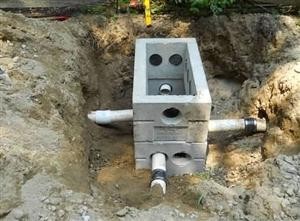
A comprehensive system inspection and assessment should also be conducted before putting the system back in use. This means opening all parts of the system — sewage tanks, drop boxes, anywhere there is access to system components — and assessing whether sediment or vegetative debris has entered the system. All sewage tanks should be pumped and cleaned out.
The tanks should be evaluated for watertightness and structural defects due to the flooding. Debris in the drop boxes should be removed. If there are pumps and a pressure distribution system, the distribution laterals should be jetted and cleaned. Pumps and controls should be reinstalled, recalibrated and tested.
The evaluation should include making sure wastewater moves between the parts of the system as intended. This may involve running a hydraulic load test on the soil treatment part of the system.
About a month after the system is restarted, Septic Preservation willschedule a follow-up visit to check for proper operation. Any pumps and controls should be checked and the pump calibrations re-evaluated to make sure they are delivering the correct amount of effluent.
Septic tank manhole covers should be secured and inspection ports should be free of blockage and damage. Make sure there’s no damage caused by animal intrusion in the soil treatment a
Inspections also should include a look at the vegetation over the septic tank, and any erosion damage should be repaired with sod or seeding to provide good plant cover.
If sewage backed up inside the home, homeowners should thoroughly disinfect the house, but they should avoid flushing disinfectants down the drain.
Destroyed systems
Floodwaters can cause components of a septic system to be partially or completely washed away. The owner of such a system shouldn’t assume that soil or other fill can be added and new system components constructed.
Heavy rains can cause slides to partially or completely cover septic system components with rock, mud or silt. These slides can affect the operational integrity of the system, especially the soil treatment systems.
Special care should be taken to keep vehicle and equipment traffic off the soil treatment system to avoid compaction.
If the soil treatment system is saturated or has standing water long after other areas have dried out, there may be a long-term problem related to the flood.
With luck, we won’t have to worry about a major hurricane impacting New England but preventative steps may be able to help save your septic system.
Septic Preservation Services is ready and able to answer all your questions on prevention and are the first call to action in case of a major disaster. You can reach them at 877-378-4279 or visit www.septicpreservation.com
Parts of this article were published in Pumper Magazine on September 7, 2017. Visit www.pumper.com for more septic news.
 Septic Preservation Services has extensive experience with both septic systems and cesspools. A cesspool is a pit which acts as both a settling chamber for solids and a leaching system for liquids. The use of cesspools may overload the capacity of the soil to remove bacteria, viruses, and phosphorus, and to nitrify ammonia and organic nitrogen compounds.
 Septic Preservation Services has septic rejuvenation appointments today for customers in Wayland, Stow, Maynard, Hingham, Sharon, and Millis, MA. Septic Rejuvenation utilizes a patented technology to intermittently aerate the drainfield and surrounding soil. This method is used as an alternative to aerating the wastewater in the septic tank. It allows failed septic systems to rapidly rejuvenate, extending the lifespan of the drainfield and the septic system, while enhancing the treatment process .This technology has been applied in residential situations for both single and multi-family dwellings, as well as commercial situations, servicing hotels, laundromats, grocery stores, food processing facilities, healthcare services, marinas, restaurants, and more.
 Septic Preservation Services has Overboard Discharge Repairs and Overboard Discharge Services today in Kittery, Kittery Point, Berwick, North Berwick, Wells, Rochester, NH, Kennebunk, and West Kennebunk, Maine.

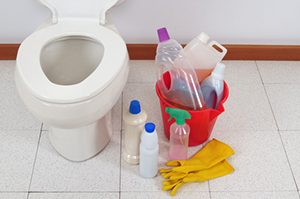 Septic Preservation Services is regularly contacted by customers who require septic repairs that could have been avoided if they had used their septic system correctly. If you own a property with a septic system you need to be aware of how you, and your family, use your system. Following some simple suggestions could help you avoid septic repairs and extend the life of your septic system. We suggest:
 Septic Preservation Services provides septic system services to our clients who have chosen to take away the any uncertainly of septic system ownership. We will maintain and service your septic system on a regular basis to ensure that it keeps operating correctly and to reduce the likelihood of any expected repairs or failures.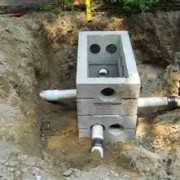
 What makes a septic system work properly? Billions of naturally occurring microscopic bacteria and enzymes are responsible for a major part of the three-stage treatment that processes wastewater in a septic system.
 Septic Preservation Services have septic repairs including a sewage grinder pump repair today in Sturbridge, Oxford, Brimfield, Brookfield, Dudley, Uxbridge, and Millbury, MA.